Any printing experts out there?
Summary: The discussion is initiated by selsa84, who is seeking assistance from printing experts. authentic*vintage responds, indicating they might have relevant expertise or insights. The two participants engage in a back-and-forth exchange, attempting to address the queries or issues related to printing. The conversation appears to revolve around technical or troubleshooting aspects.
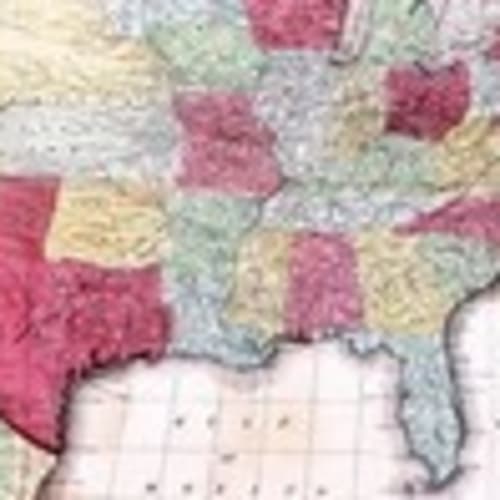
Just wondering if anyone has an idea of the printing technique used in the pics below?


19 comments
authentic*vintage
·4 months agoEE Knight is the cartographer and this was most likely printed via direct lithographic transfer - look that up - it is quite interesting and differs from modern lithography in the transfer process because it skips a step - where today, the image transfers from plate (RR) to blanket (WR) to paper (RR) - this process was wrong reading directly to right reading on the paper - so cool!
selsa84
OP4 months agoHere's a pic of the paper, backlit to show grain
authentic*vintage
·4 months agoJust from your photos and without being able to feel it, it looks like a pulp to me - is it thinner, less sturdy feeling?
selsa84
OP4 months agoYes very thin. Was pulp used in that time period of 1910circa?
authentic*vintage
·4 months agoMost definitely - with the advancement in commercial printing during that time, (late 1890s and on) cheaper paper options were put into use - this definitely looks like a pulp and from what you are saying, the thinness verifies that it most likely is. If you had to compare it to any modern item, such as a vintage paperback book, or newspaper, which would you say it is most like? Is it smooth or does it have some bulky texture to it?
selsa84
OP4 months agoMaybe newspaper. It's very thin and transparent like when held to light. But to be honest I don't even remember the last time I had an actual newspaper in hand
authentic*vintage
·4 months agoYou are safe to state it is printed on pulp - good luck with it!
What an interesting history when you dig into the mechanics it took to create it.
authentic*vintage
·4 months agoLooks like regular old offset lithography to me - and I would call myself an expert after working in the printing industry for 40 years now - SME in all methods except gravure.
Need more context, such as age, etc - what is the item?
Edited to add: If you are looking for dots, you won't see any on a solid 100% black line art print -
selsa84
OP4 months agoIf it is an original it would have been printed published between 1890 to 1910? I was thinking a lithograph but not sure
authentic*vintage
·4 months agoYes - most likely lithograph - if it were intaglio (not likely) you would see raised ink (like on a dollar bill)
If it were letterpress (also not likely) you would feel/see the impression on the back of the sheet
The only other possibility is screen printing - can you give me a close up of an area with interacting color? where colors intersect with each other?
authentic*vintage
·4 months agoI did some digging on this publisher and yes - the methods used for map printing were lithography and chromolithography -
selsa84
OP4 months agoHere's a pic of the red
authentic*vintage
·4 months agoLithography - and just curious - is the actual printer's name in the legend block? I can't zoom in to read it
selsa84
OP4 months agoThere is an EE knight in title, and Burbeck and beasley at bottom.
selsa84
OP4 months agoThe paper is what throws me off.
selsa84
OP4 months agoHere's a closeup of the paper with backlighting
selsa84
OP4 months ago1900 to 1915 round about?